The Evolution of Collectible Card Games: From Magic to Modern
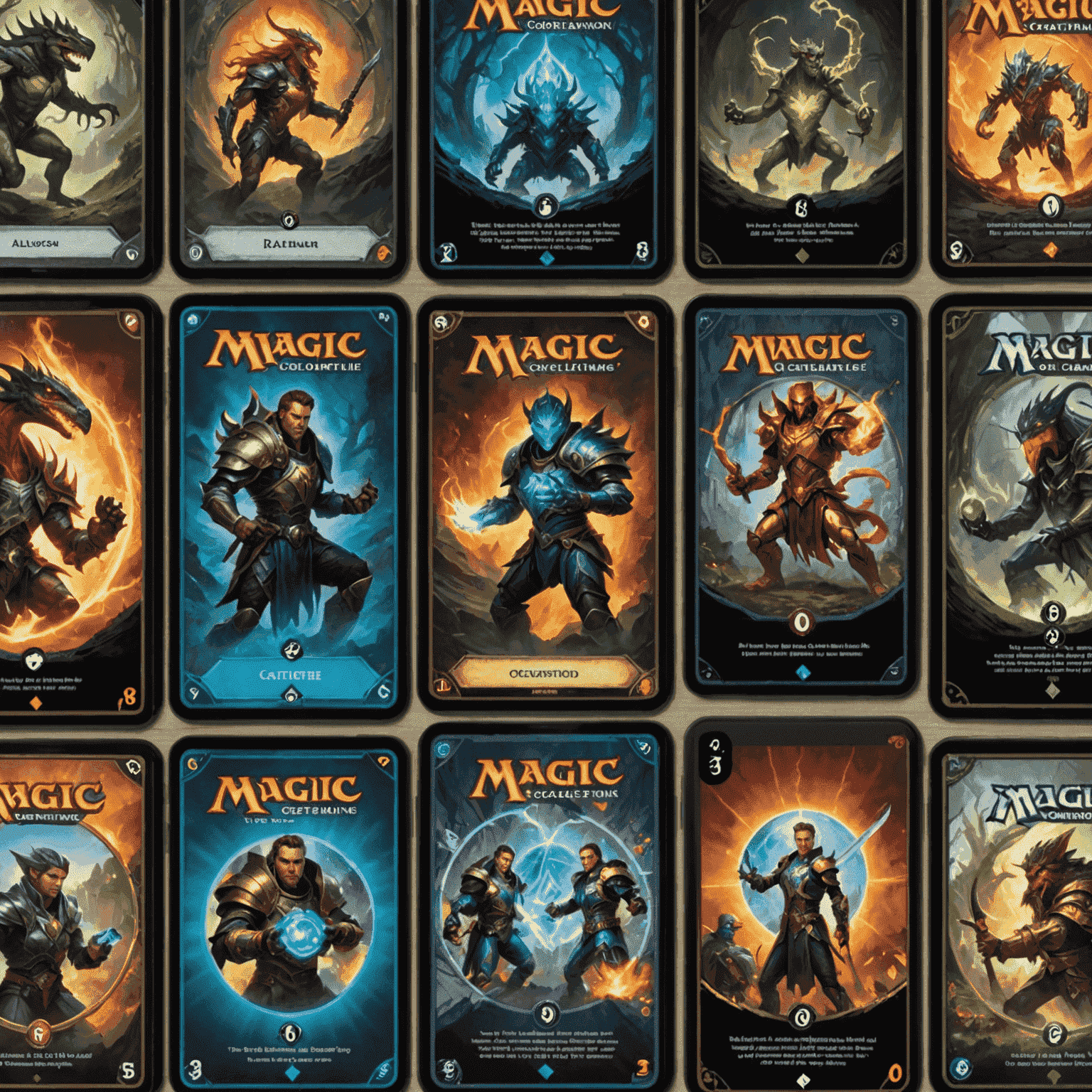
The world of collectible card games (CCGs) has come a long way since the early 1990s. From the revolutionary Magic: The Gathering to today's digital adaptations, let's explore the fascinating journey of this beloved gaming genre.
The Birth of a Genre: Magic: The Gathering
In 1993, mathematician Richard Garfield and Wizards of the Coast introduced Magic: The Gathering, a game that would forever change the landscape of tabletop gaming. Magic combined strategy, collectibility, and fantasy elements in a way that captivated players worldwide.
Key innovations of Magic included:
- The concept of deck-building as a core game mechanic
- Rare and valuable cards that drove collectibility
- A robust tournament scene that fostered competitive play
The CCG Boom of the 1990s
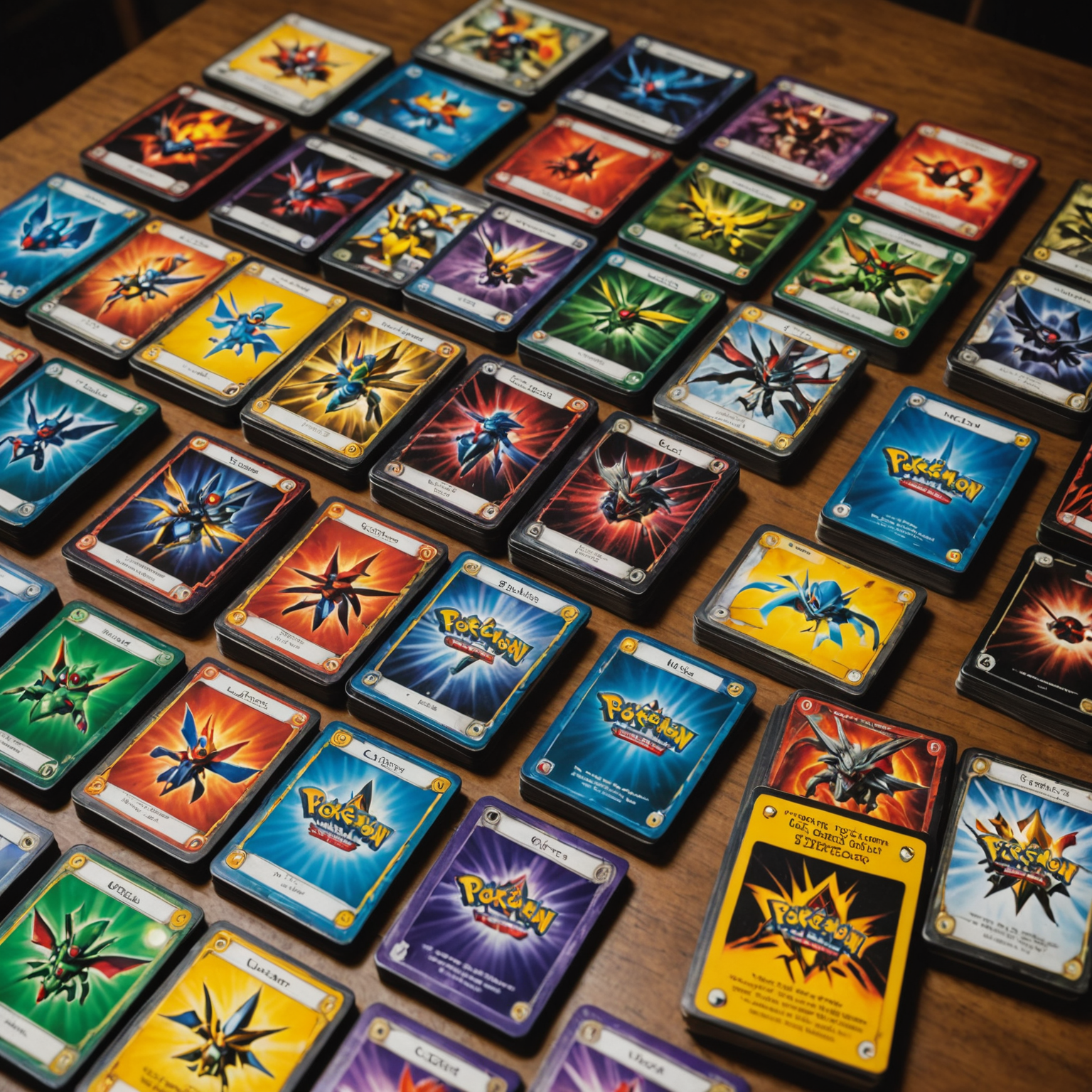
Magic's success sparked a gold rush in the gaming industry. Numerous CCGs were launched, each trying to capture a slice of the market. Notable entries included:
- Pokémon Trading Card Game (1996)
- Yu-Gi-Oh! Trading Card Game (1999)
- Legend of the Five Rings (1995)
The Digital Revolution
As technology advanced, CCGs found new life in the digital realm. Online platforms and mobile apps brought these games to a wider audience, offering convenience and new gameplay possibilities.
Key developments in digital CCGs include:
- Hearthstone (2014) - Blizzard's hugely popular digital-only CCG
- Magic: The Gathering Arena (2019) - A modern digital adaptation of the classic game
- Legends of Runeterra (2020) - Riot Games' entry into the digital CCG space
The Future of Collectible Card Games
As we look to the future, CCGs continue to evolve. Emerging trends include:
- Integration of blockchain technology and NFTs
- Augmented reality features enhancing physical card games
- Cross-platform play between digital and physical versions

Conclusion
From the groundbreaking Magic: The Gathering to today's digital powerhouses, collectible card games have shown remarkable staying power and adaptability. As technology continues to advance, we can expect this beloved genre to keep evolving, offering new experiences for card game enthusiasts around the world.
Whether you're a longtime fan of traditional card games or a newcomer drawn in by digital adaptations, the world of CCGs offers endless opportunities for strategy, collection, and competition. The journey from Magic to modern has been an exciting one, and the future promises even more innovation in this ever-expanding gaming landscape.